Pleasant Gap and the quarry side of the valley
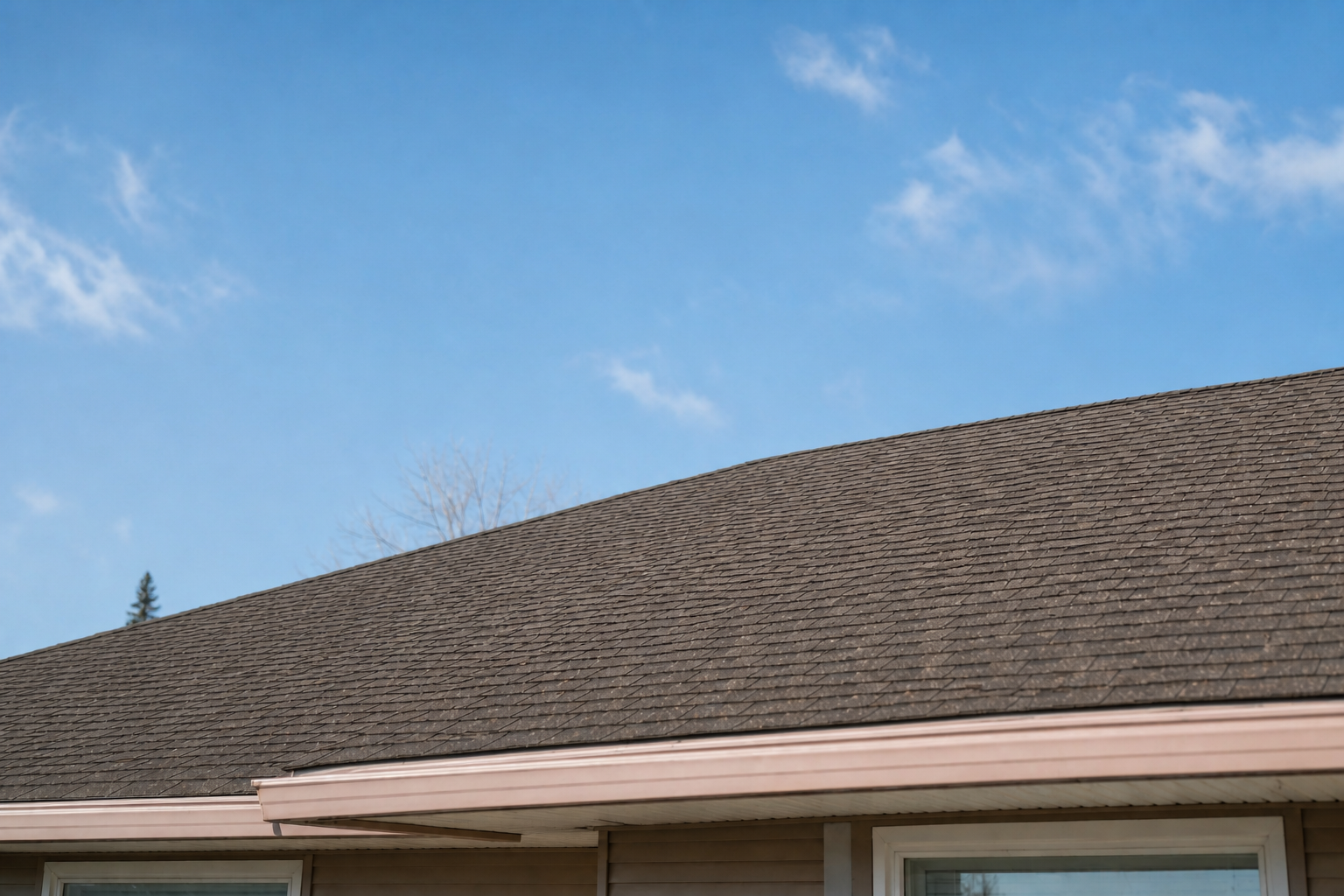
Pleasant Gap sits where the road cuts through the ridge on the way toward Bellefonte, and a lot of the housing stock out that way is split level and ranch construction from the sixties and seventies, built low and wide rather than tall. Roofs on these houses tend to be simple gable or hip shapes with a shallower pitch than what we see on newer builds closer to town.
The limestone quarry activity in that stretch of the valley means we sometimes find a fine dust layer on older shingles that has nothing to do with age or wear, and homeowners are often surprised to learn it wipes off a fresh inspection photo rather than pointing to granule loss underneath.
Pine Grove Mills and the climb toward Tussey Mountain
Head the other direction toward Pine Grove Mills and the elevation starts climbing as the road follows the base of Tussey Mountain, which means colder mornings, more persistent frost, and snow that lingers on a north facing roof slope well after it has melted off a house a few miles closer to State College itself.
The mix of properties out here runs from older farmhouses with additions built on over decades to newer homes on larger wooded lots, and the tree cover means gutter and valley clogging from leaves and pine needles is a bigger factor in that area than storm damage in most years, especially on roofs with more than a couple of valleys cut into them.
Park Forest and the postwar ranch neighborhoods
Park Forest is a different story again, one of the older planned neighborhoods close to State College itself, built up with ranch and split level homes through the sixties as the borough grew around the university. Roofs here are often on their second or third replacement since the original construction, and the attic ventilation in a lot of these houses was designed for a different era of insulation standards entirely.
Mature trees planted when these streets were new now overhang a lot of rooflines, which shifts the maintenance conversation toward moss and debris buildup rather than wind or snow load, even though the houses sit at a similar elevation to Pleasant Gap.
Why the same roof plan does not work everywhere
A repair or replacement recommendation that makes sense on a wide, low ranch roof in Park Forest does not automatically carry over to a steeper newer roof near Pine Grove Mills, even though both might technically use the same style of shingle. Wind exposure, tree cover, elevation, and the age of the surrounding neighborhood all change what actually fails first on a given house, sometimes in ways that only show up once we are actually standing on the roof.
This is part of why the walk and the attic check happen on every single job regardless of which part of the county it falls in. A checklist written for one neighborhood misses too much once you cross into another.
What stays the same no matter where the job is
Wherever the address falls, the same crew shows up, the same inspection happens before a number gets written down, and the same photo record gets kept, whether it ends up in a homeowner's own file or in an insurance claim after a storm.
Centre County is smaller than it looks on a map, and most weeks we are back and forth between two or three of these areas in the same day, which is part of why the differences between them stand out so clearly to us on the road.